


7 Money Habits That Can Boost Your Credit Score
Small financial decisions today can make a big difference tomorrow.
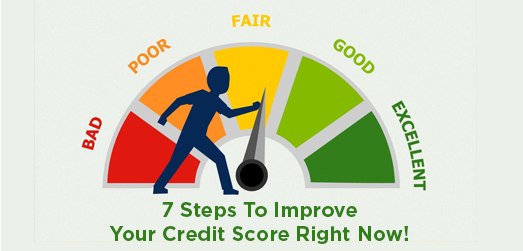
A good credit score can open doors. Whether you’re shopping for a car, preparing to buy a home, or applying for a credit card, your credit history can influence your borrowing options and the interest rates you’re offered.
But building better credit doesn’t happen overnight. It’s the result of consistent financial habits, informed decisions, and a little patience.
Here are seven practical ways to build and maintain healthier credit.
1. Check Your Credit Reports Regularly
Before you can improve your credit, you need to know what’s being reported.
Your credit reports contain information about your accounts, payment history, outstanding balances, and other credit-related activity. Errors or unfamiliar accounts could affect your creditworthiness.
Review reports from all three major credit bureaus:
- Equifax
- Experian
- TransUnion
Visit AnnualCreditReport.com, the federally authorized website for free credit reports. Review your information carefully and dispute any inaccuracies with the appropriate credit bureau.
2. Make Every Payment on Time
Payment history is one of the most influential factors in many credit-scoring models. In commonly used FICO scoring models, it accounts for approximately 35% of your score.
Even an occasional missed payment can make it harder to reach your credit goals.
Build a dependable payment routine:
- Set up automatic payments for at least the minimum amount due.
- Use calendar reminders to keep track of payment deadlines.
- Contact your lender early if you’re having trouble making a payment.
- Bring past-due accounts current whenever possible.
Consistency matters. A long record of responsible payments can help demonstrate that you’re a dependable borrower.
3. Keep Credit Card Balances Manageable
Credit utilization measures how much of your available revolving credit you’re using.
For example, if you have a credit card with a $5,000 limit and a $1,000 balance, your utilization on that card is 20%.
Credit Utilization Example
$1,000 ÷ $5,000 = 20%
$1,000 used out of $5,000 available
Lower utilization is generally better for your credit score. Keeping balances below 30% of available credit is a commonly suggested guideline, but it’s not a magic cutoff. Lower balances can be even more beneficial.
Try making additional payments during the month, avoiding unnecessary purchases, and paying balances in full whenever your budget allows.
4. Think Twice Before Closing Older Credit Cards
The length of your credit history can influence your credit score. Older accounts help establish how long you’ve managed credit.
Closing a credit card may also reduce your total available credit, which can increase your utilization ratio if you carry balances on other cards.
Before closing an account, consider its age, credit limit, annual fees, and whether keeping it open makes sense for your finances.
However, keeping every account open isn’t always the best choice. If a card has expensive fees or makes overspending too tempting, closing it may be the healthier financial decision.
5. Apply for New Credit Thoughtfully
When you apply for a loan or credit card, a lender may perform a hard credit inquiry. Hard inquiries can temporarily affect your credit score, and opening several new accounts in a short period may signal additional borrowing risk.
That doesn’t mean you should avoid applying for credit when you need it.
Instead, be intentional:
- Apply for accounts that serve a real financial purpose.
- Compare loan terms before making a decision.
- Avoid opening multiple cards simply to receive introductory offers.
- When shopping for an auto loan or mortgage, keep rate comparisons within a relatively short period, since many scoring models group qualifying inquiries.
Responsible borrowing is about choosing credit products that fit your needs, not collecting as many accounts as possible.
6. Build Credit Gradually
If you’re new to credit or rebuilding after financial difficulties, establishing a positive payment history can take time.
A secured credit card may be one option. These cards typically require a refundable security deposit, which often determines your initial credit limit.
When choosing a secured card, look for reasonable fees and confirm that the issuer reports payment activity to the major credit bureaus.
Use the card for purchases you can afford, make payments on time, and keep balances manageable.
Over time, responsible credit use may help strengthen your credit profile.
7. Create a Debt Repayment Plan and Ask for Help When Needed
If high balances or multiple payments are putting pressure on your budget, a clear repayment plan can help you regain control. Read 13 Steps to Manage Debt
Start by listing your debts, balances, interest rates, and minimum payments. Then decide how much additional money you can consistently put toward repayment.
Two common approaches include:
- Debt avalanche: Focus extra payments on the debt with the highest interest rate first, potentially reducing total interest costs.
- Debt snowball: Focus extra payments on the smallest balance first, building momentum as accounts are paid off.
If you’re struggling, consider speaking with a reputable nonprofit credit counseling organization. A qualified counselor may help you develop a budget and explore repayment options.
Also pay attention to your debt-to-income ratio, which compares your monthly debt payments with your gross monthly income. Although this ratio isn’t directly included in typical consumer credit scores, lenders often consider it when evaluating loan applications.
Your Better Credit Checklist
- ✓ Review your credit reports and correct errors.
- ✓ Pay every bill on time.
- ✓ Keep credit card utilization low.
- ✓ Consider the impact before closing older accounts.
- ✓ Apply for new credit only when it makes sense.
- ✓ Build a positive credit history gradually.
- ✓ Make a realistic plan to manage and repay debt.
Better Credit Starts With Better Habits
Improving your credit score doesn’t require a secret formula. It takes patience, consistency, and smart financial decisions.
Whether you’re preparing for a major purchase or simply trying to strengthen your financial future, small steps can add up over time.
Remember that credit scores can vary by scoring model, and there’s no guaranteed timeline for improvement. Focus on what you can control, and celebrate the progress you make along the way.
Banking with a Purpose
We’re Here for Your Financial Journey
At Assemblies of God Credit Union, we’re committed to helping members make informed financial decisions and work toward their goals.
This article is provided for general financial education and is not individualized financial or credit advice. Credit scores vary by scoring model and individual credit history. No specific improvement in credit score is guaranteed.