


Protect What Matters
You don’t need a pile of gold or a collection of priceless jewels to benefit from a safe deposit box.
Sometimes the things that matter most are valuable because they’re difficult—or impossible—to replace. A safe deposit box gives you a secure place outside your home to store important documents, keepsakes, jewelry, collectibles and other items you want to protect.
But what actually belongs in one? What should stay somewhere else? And what happens to the box if something happens to you?
Here’s what you should know.
First Things First: What Is a Safe Deposit Box?
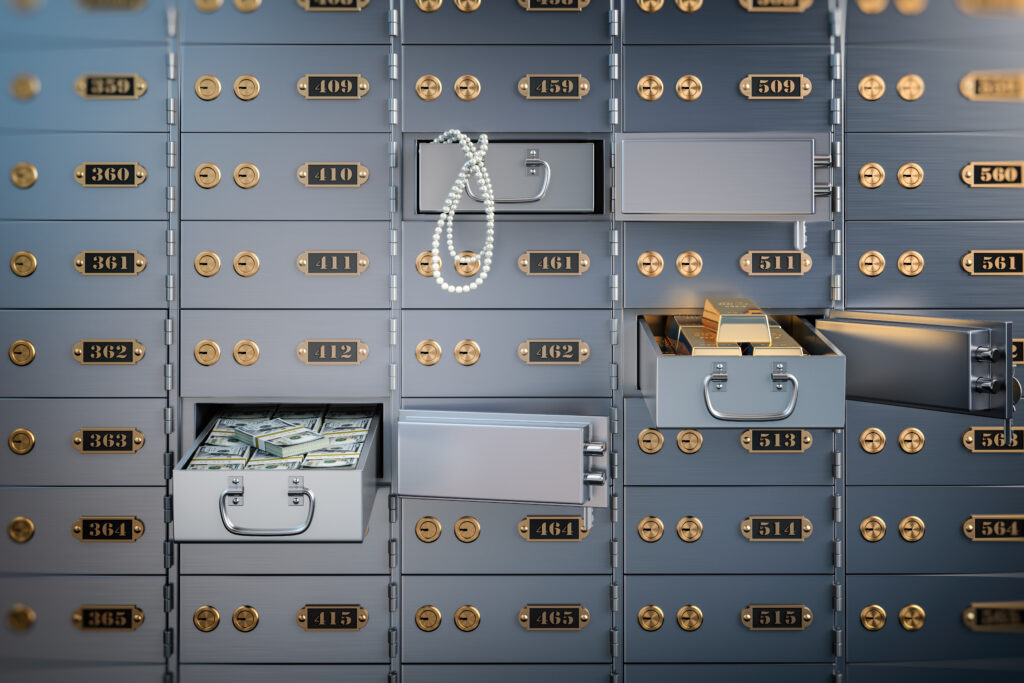
A safe deposit box is a small, individually secured container kept inside a financial institution’s vault. It gives you a protected location outside your home for valuables, important paperwork and meaningful keepsakes.
Why Use One?
For many people, the biggest benefit isn’t what goes into the box. It’s knowing those items aren’t sitting in a desk drawer, filing cabinet or closet at home.
🔐 Extra Security
Safe deposit boxes are kept inside secure vault areas with protective systems such as alarms, cameras and robust locks.
📄 Protection for Important Documents
Moving important originals outside your home can reduce the risk of losing them to theft, fire or other household damage.
😌 Peace of Mind
For documents or valuables you don’t want stored digitally—or simply don’t want sitting around the house—a safe deposit box offers another layer of protection.
What Belongs in a Safe Deposit Box?
Think about items that are important to protect but that you don’t need immediate or frequent access to.
Important Records
Birth certificates, adoption papers, marriage licenses, citizenship documents, military records and important business papers.
Valuables & Keepsakes
Jewelry, coin or stamp collections, family heirlooms and sentimental items that would be difficult to replace.
Legal Documents
Copies of wills, powers of attorney and sensitive contracts. Avoid keeping the only accessible copy of an essential document in the box.
But Don’t Put Everything in There
A safe deposit box is secure—but that’s exactly why it isn’t the right home for something you may need at a moment’s notice.
One Important Thing to Know
The contents of a safe deposit box are not federally insured by the National Credit Union Administration (NCUA). Financial institutions do not know what individual members place inside their boxes, so the items themselves are not covered by standard deposit insurance.
A Little Planning Goes a Long Way
Safe deposit boxes are generally accessible only during branch business hours. That makes them great for things you rarely need—but less convenient for anything you might need immediately.
It’s also a good idea to review your box periodically. Consider checking its contents at least once a year and after major life changes such as marriage, a new child or changes to your estate plan.
You may also want to designate a trusted co-lessor or properly authorized individual who can access the box if necessary.
What Happens to a Safe Deposit Box When You Die?
Access after the owner’s death depends on applicable law and the circumstances surrounding the account. Access may be restricted until appropriate authorization and documentation are provided. Executors or other legally authorized individuals may be permitted access after meeting those requirements.
Safe Deposit Boxes at AGCU
Safe deposit boxes are available in multiple sizes, with annual rental costs ranging from $25 to $75 per year. Availability varies by location and box size.
Contact your nearest AGCU branch to ask about current availability.
Protect What Matters
Not everything valuable has a price tag.
Whether it’s an important record, a family keepsake or something you’ve spent years collecting, a safe deposit box can give you a secure place to protect the things you want to hold onto.
AGCU — Banking with a Purpose.