


Why Money Matters: Helping Kids Build Lifelong Financial Skills
The Best Time to Learn About Money Is During Childhood
Children aren’t born knowing how money works—they learn by watching the adults around them. Every trip to the grocery store, every family budget discussion, and every decision to save or spend teaches valuable lessons that can shape a child’s financial future.
Whether your child is five or fifteen, it’s never too early—or too late—to begin teaching healthy money habits. The goal isn’t to raise future bankers. It’s to raise confident adults who know how to earn, save, spend wisely, and give generously.
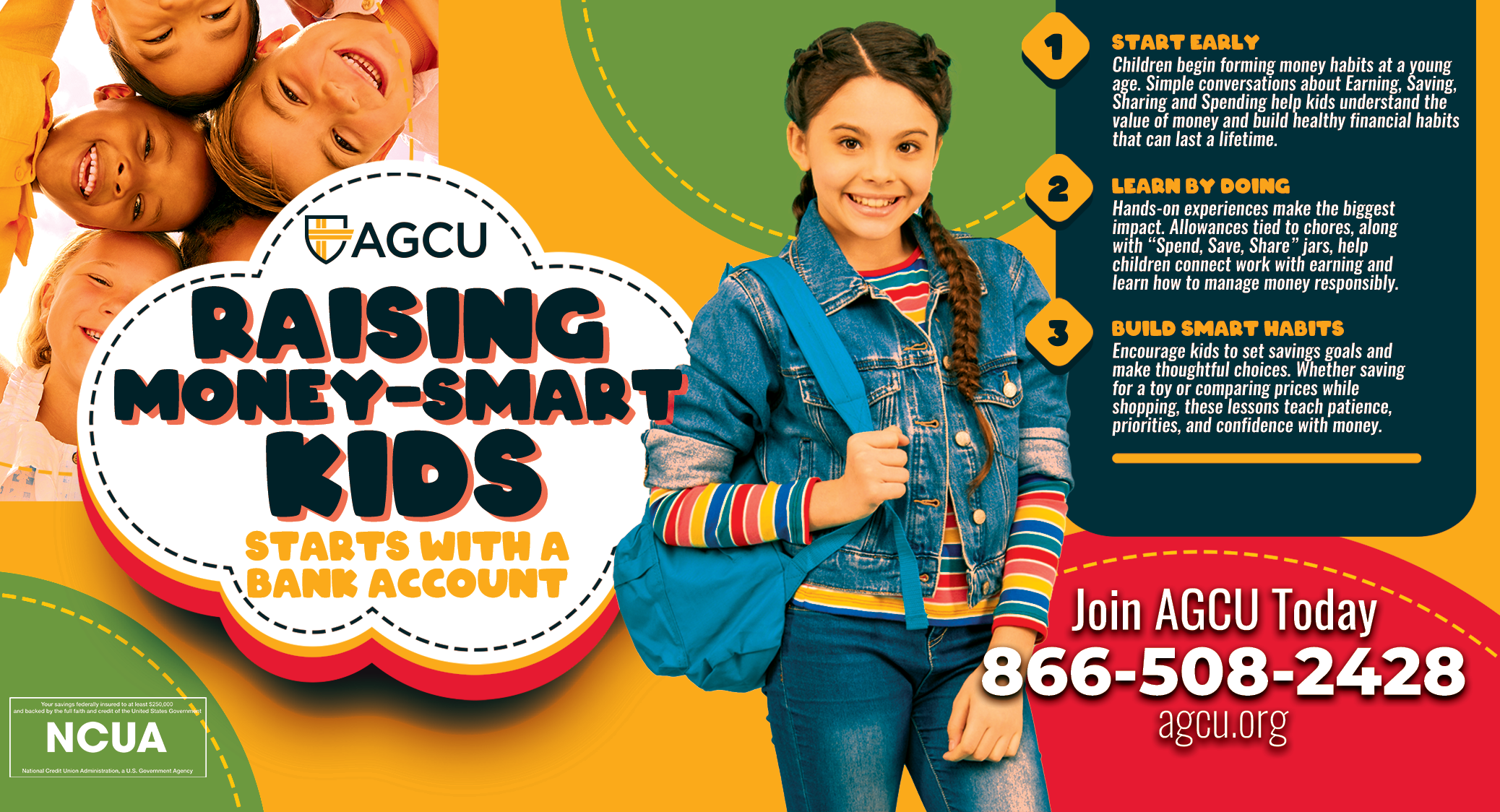
Five Money Lessons Every Child Should Learn
1. Money Is Earned
Children benefit from understanding that money comes from work, serving others, or creating something of value—not from an ATM or a debit card.
2. Needs Come Before Wants
Learning the difference between necessities and “nice-to-haves” helps children make wise spending decisions throughout life.
3. Saving Makes Dreams Possible
Saving teaches patience and helps children experience the satisfaction of working toward a goal instead of expecting instant gratification.
4. Giving Changes Lives
One of the greatest lessons parents can teach is generosity. Setting aside money for church, missions, or someone in need reminds children that money is a tool—not the goal.
5. Good Choices Add Up
Small decisions—saving a little each week, comparing prices, avoiding impulse purchases—often lead to big results over time.
Simple Ways to Teach Money at Home
- Take your child grocery shopping and compare prices together.
- Encourage them to save for something they really want.
- Talk about family financial goals.
- Use separate jars or envelopes for Spend, Save, and Give.
- Celebrate reaching savings goals.
- Model wise financial decisions—they’re always watching.
Research consistently shows that children learn financial habits primarily from the adults around them, making everyday conversations one of the most powerful teaching tools available.
A Family Activity
Here are a few tips to help your children Save, Share, Spend, Earn and learn how money is really earned and managed.
Save
Set Up a Savings Account: Open a Cub or Youth Account at AGCU for your child. Youth accounts and Cub Club members can earn higher interest rates.
Set Savings Goals: Encourage your child to set specific savings goals, whether it’s for a new toy, a book, or even long-term goals like college. Help them track their progress.
Teach the Power of Interest: Explain how saving money in an AGCU account can earn interest, helping their savings grow over time. Show them the difference between saving money at home and saving in an account.
Encourage Regular Deposits: Make regular trips to the credit union to deposit a portion of their allowance or money earned from chores. This habit reinforces the practice of saving regularly.
Share
Teach Generosity: Discuss the importance of sharing and giving back. Help your child choose a cause or charity they care about.
Set Up a “Giving” Account: AGCU offers the ability to create multiple sub-accounts. Use one for charitable giving. This can help children understand the concept of allocating money for different purposes.
Volunteer Together: Participate in community service activities with your child. AGCU supports local initiatives and can provide information on volunteer opportunities.
Match Their Contributions: Encourage sharing by matching their contributions to charity, teaching them that their efforts can have an even greater impact.
Spend
Create a Budget: Teach your child how to create a simple budget. Show them how to balance their wants and needs and make informed spending decisions.
Use a Debit Card: AGCU offers debit cards for Youth Accounts with parental controls. This can help them learn to manage their spending and understand digital transactions.
Discuss Smart Spending: Before making a purchase, discuss whether it’s a need or a want. Encourage them to compare prices and look for deals.
Set Limits: Give them a set amount of money for discretionary spending each month. This teaches them to make choices and understand the concept of limited resources.
Earn
Chores and Allowance: Implement a system where your child can earn money by doing chores. This teaches the value of work and earning.
Encourage Entrepreneurship: Support your child in small entrepreneurial endeavors like a lemonade stand, dog walking, or crafting and selling handmade items.
Educational Workshops: Credit unions often offer financial literacy workshops for kids and teens. Enroll your child in these programs to learn about earning and managing money.
Track Earnings: Help your child keep a record of their earnings. This can be a simple notebook or an app. Tracking their income helps them understand the relationship between work and earning money.
Building Strong Financial Foundations Together
At AGCU, we believe financial education begins at home. That’s why we’re committed to providing resources that help families teach children the value of earning, saving, giving, and making wise financial decisions.
We’re excited about new opportunities to encourage young savers and help families build healthy financial habits together. Watch for more information about children’s and youth savings opportunities coming soon.
Every Great Financial Journey Starts with One Small Lesson
Teaching children about money today can help prepare them for a lifetime of wise financial decisions tomorrow.