

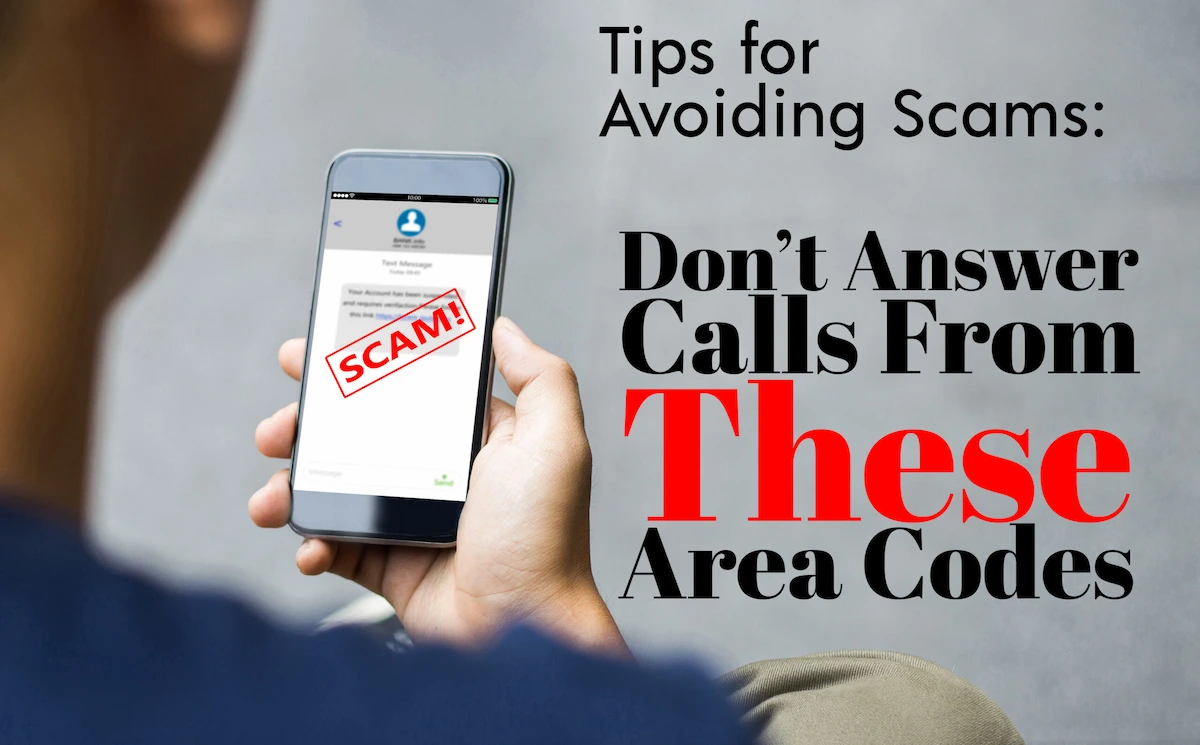
Avoiding Scams: Don’t Answer Calls From These Area Codes
How to spot suspicious calls, avoid costly scams, and protect your phone
Robocalls are more than annoying. Some are designed to trick people into calling back, sharing personal information, or paying unexpected charges.
Knowing what to watch for can help you avoid phone scams before they cost you money.
Why Phone Scams Are So Common
Technology has made it easier and cheaper than ever for scammers to place thousands of calls in just seconds. Even if only a few people respond, scammers may still make money.
That is why it is important to be cautious with unfamiliar numbers, especially when a call comes from an area code you do not recognize.
Traffic Pumping
Traffic pumping happens when certain phone numbers are used to generate unusually high call volume. In some cases, calls may be routed through areas where carriers can charge higher fees.
The result? Consumers may unknowingly return or stay on calls that can lead to unexpected charges on their phone bills.
Area Code Alert
Be cautious with unfamiliar calls from area codes 712 and 218, which have been associated with traffic pumping concerns.
The One-Ring Scam
In a one-ring scam, robocallers dial your number and hang up after one ring. The goal is to make you curious enough to call back.
If you return the call, you may connect to an international number with expensive per-minute charges. In some cases, these calls can cost far more than a normal phone call.
The safest response is simple: if you do not recognize the number, let it go to voicemail.
Area Codes to Watch
The FTC has warned consumers about returning one-ring calls from these area codes:
- 268 — Antigua and Barbuda
- 284 — British Virgin Islands
- 473 — Grenada, Carriacou and Petite Martinique
- 664 — Montserrat
- 649 — Turks and Caicos Islands
- 767 — Commonwealth of Dominica
- 809, 829, 849 — Dominican Republic
- 876 — Jamaica
What to Do Before Calling Back
- Let unknown numbers go to voicemail.
- Search the phone number online before returning the call.
- Do not call back numbers that only ring once.
- Be cautious with numbers from unfamiliar area codes.
- Never share personal or financial information with an unexpected caller.
If the call is legitimate, the caller can leave a message.
How to Reduce Robocalls
While no solution blocks every unwanted call, these steps may help reduce the number of robocalls you receive:
- Add your number to the National Do Not Call Registry at DoNotCall.gov.
- Ask your phone provider about call-blocking tools.
- Use built-in spam filters available on many smartphones.
- Consider using a reputable robocall-blocking app.
- Report suspicious calls when possible.
Quick Safety Reminder
Scammers often rely on curiosity, urgency, or confusion. Before answering or returning a call, pause and ask yourself:
- Do I recognize this number?
- Was I expecting this call?
- Did they leave a legitimate voicemail?
- Does the area code look unfamiliar?
A few seconds of caution can help you avoid an expensive mistake.
Final Thought
Think twice before answering calls from unknown numbers or returning calls from unfamiliar area codes.
When in doubt, let it go to voicemail. Staying cautious is one of the easiest ways to protect yourself from phone scams.